
The Blog


Read this post →
If you often find yourself finishing a filling meal but still feeling hungry, or starting to feel hungry again within an hour or so after eating, it’s normal if you feel frustrated. Maybe you’re constantly thinking about your next snack. Maybe you can eat dinner and still find yourself rummaging through the cupboard an hour […]

Read this post →
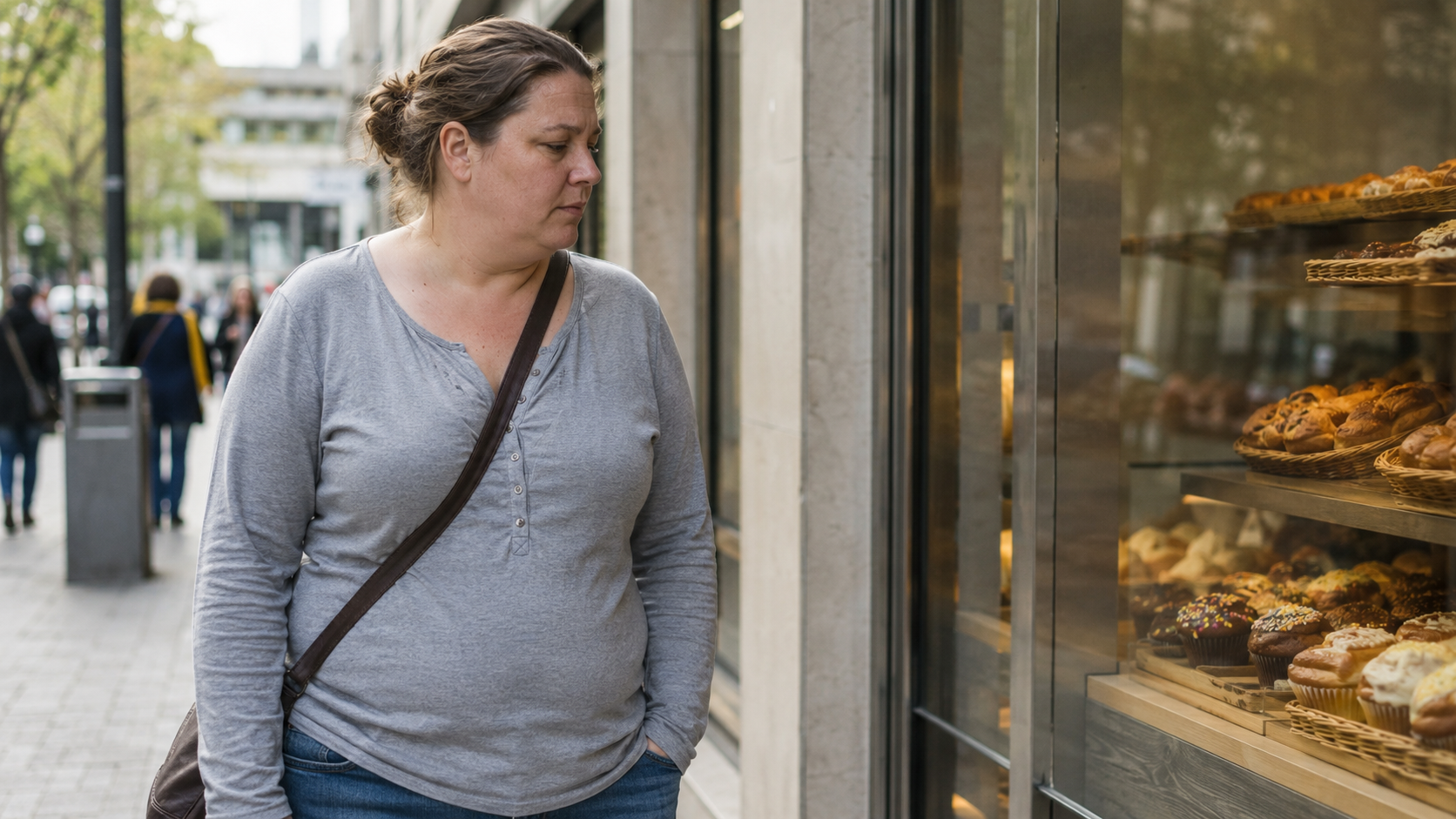
If you want help to stop food noise, you’ll know this scenario all too well. It’s 1pm, you’ve just eaten lunch, you’re full, but then you walk past a bakery, and all of a sudden you want that doughnut in the window, but the negotiation starts in your head. Should I get it? No, I […]
Read this post →
Many people assume that seeing a dietitian means being told what to eat, how much to eat, or how to lose weight. However, for many people, particularly those with a complicated history with food, traditional diet-focused nutrition advice can feel more harmful than helpful. That’s where a HAES dietitian comes in. What does HAES mean? […]
Read this post →
If you’ve ever sought nutrition advice to manage PCOS, chances are the conversation quickly turned to weight loss. Unfortunately, this narrow focus overlooks the complex, multifactorial nature of PCOS, and the many evidence-based strategies that have nothing to do with dieting or changing your body size.

Read this post →
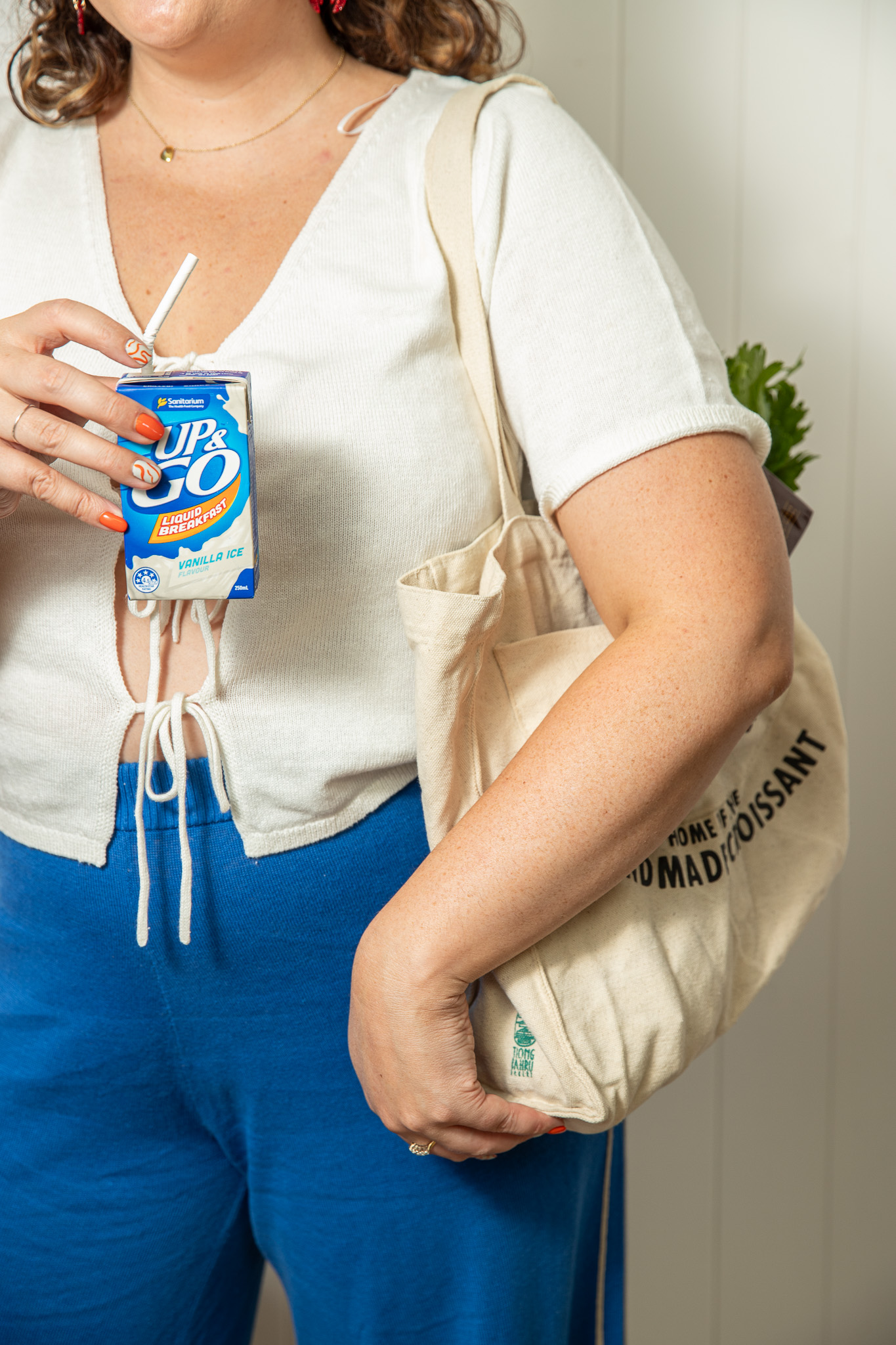
UP&GO drinks can absolutely be part of a healthy breakfast routine. They’re a fantastic option for busy mornings, post-gym snacks, or those “I just can’t even” kinds of days.
Read this post →
If you’re constantly reaching for lollies, chocolate, sweets and sugar and want to stop, this is the article for you. Get the strategies I’ve used with hundreds of clients to help them take back control over their sugar cravings.
Read this post →
My life-changing co-pilot program combines nutrition counselling with body image coaching, nutrition advice and so much more to help women improve their relationship with food and their bodies – these are the results.

Read this post →
Stop asking why am I feeling hungry after eating? Intuitive eating uses internal cues, like hunger and fullness and focuses on the importance of satisfaction, which is an even more important cue to stop eating. Learn the difference between satisfaction and fullness in intuitive eating.
Read this post →
Have you heard of the set weight theory? Wondering what it means for your health? We answer all your questions in this blog article
Read this post →
When you start working with a dietitian to help you recover from your eating disorder, it’s normal to feel scared. There’s often an idea that we’ll tell you to stop doing everything you’re doing, to make you change everything straight away, or worse, to make you let go of all structure.
We use an evidence-based RAVES model, which helps create structure and safety in eating disorder recovery and nutrition rehabilitation.